Protect your garden from birds, deer, insects, and harsh sun with our complete range of garden netting solutions. From lightweight bird netting to heavy-duty deer fence, we supply durable mesh in custom sizes for every gardener.
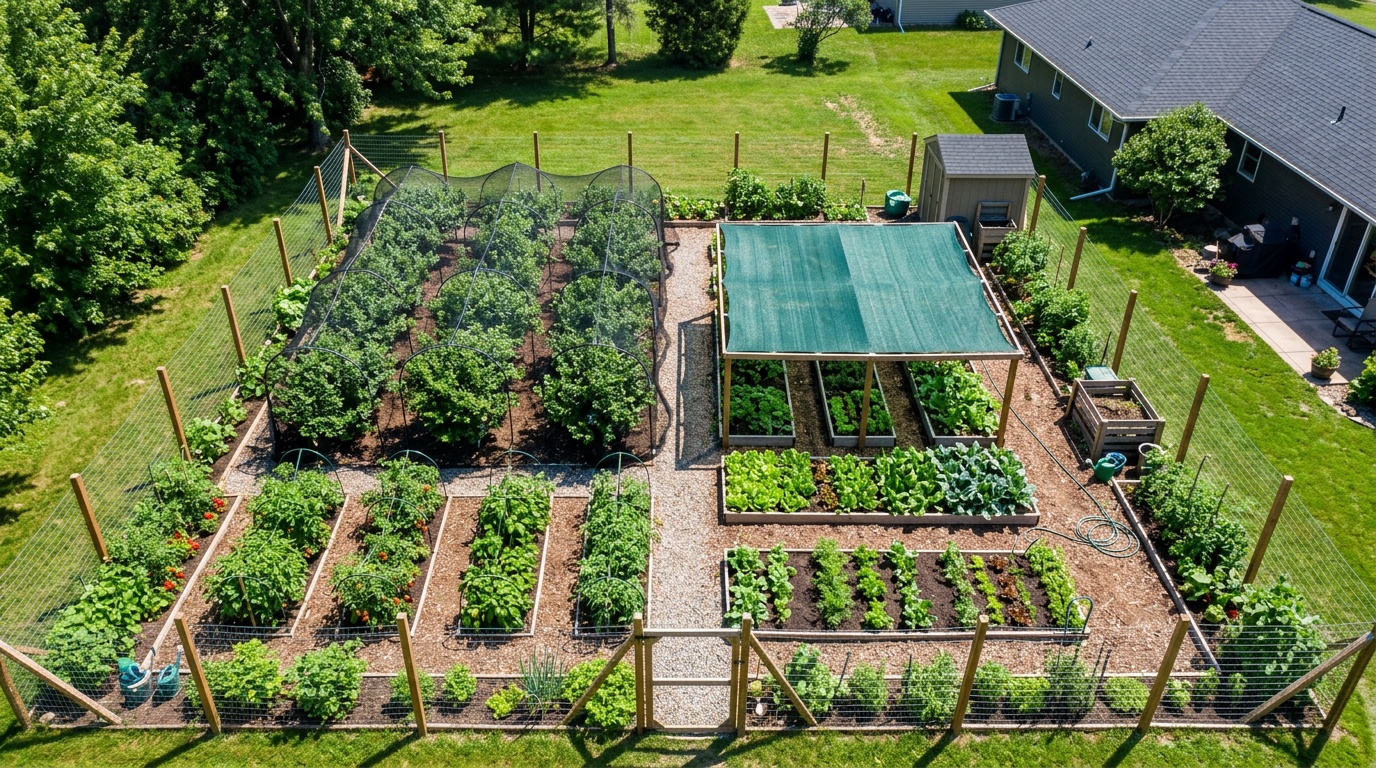
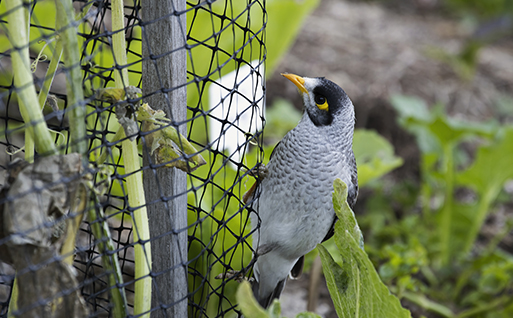
If you grow blueberries, strawberries, cherries, or any fruit that birds find irresistible, garden bird netting is the most reliable plant protector you can install. Use bird netting to create a physical barrier over blueberry bushes, small trees, and raised beds without blocking sunlight, rain, or airflow. Our bird netting is made from durable, UV-protected plastic mesh that resists tearing and lasts multiple growing seasons. It is lightweight, reusable, and breathable, so your plants get the moisture and ventilation they need while birds stay out.
Unlike scarecrows or reflective tape, mesh garden netting provides consistent protection all season long. Drape it directly over shrubs and fruit trees, or build a simple frame with poles and zip ties. Either way, you protect plants and vegetables from birds without chemicals or traps. Available in multiple mesh sizes, our netting works for everything from fine insect netting to wider openings designed specifically to deter birds. Our fruit tree netting is especially popular with orchard owners and backyard gardeners who need to protect their harvest.
Shop Bird Netting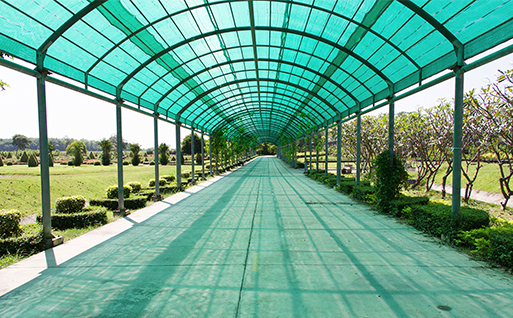
Too much direct sun can scorch lettuce, spinach, and other tender crops just as easily as frost can kill them. Shade cloth is a knitted, UV-stabilized garden mesh fabric that reduces heat buildup and blocks a percentage of sunlight, depending on the density you choose. Shade densities between 30% and 50% are ideal for vegetable gardens and nurseries, while 70% to 90% works well for outdoor patios, pet areas, and landscape projects.
Our shade cloth is manufactured from high-density polyethylene (HDPE), making it lighter than woven textile alternatives. The open lockstitch design allows moisture to pass through, prevents wind damage, and will not trap heat the way solid plant covers do. Gardeners across the country rely on shade cloth to extend their growing season, reduce watering frequency, and protect delicate seedlings during peak summer. Clip it to a greenhouse frame, tie it to fence posts, or staple it to a wooden pergola—installation takes minutes and the material is fully reusable year after year.
Shop Shade Cloth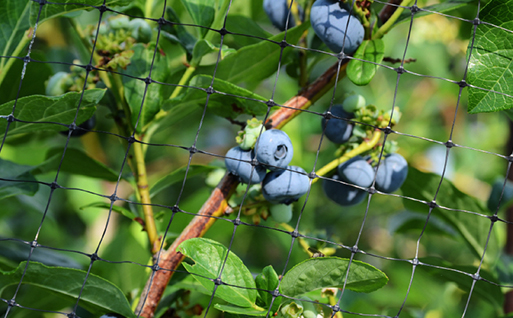
Garden insect netting is a fine mesh netting screen that keeps bugs, moths, beetles, and other pests away from your crops without the need for pesticides. Our crop protection netting is available in ultra-fine mesh sizes small enough to block even the tiniest garden insects while still allowing sunlight and rain to reach the soil. Lay it directly over beds as a row cover or stretch it over hoops and frames for a more permanent structure.
Whether you need to shield a small raised bed of vegetables or cover an entire patch of strawberry plants, crop protection netting gives you a versatile, chemical-free solution. It is the most effective form of plant protection for organic gardeners who want to protect their harvest from bug netting-level threats. Polypropylene construction means the netting is rot-proof, weather-resistant, and UV stabilized for long outdoor use.
Shop Crop Protection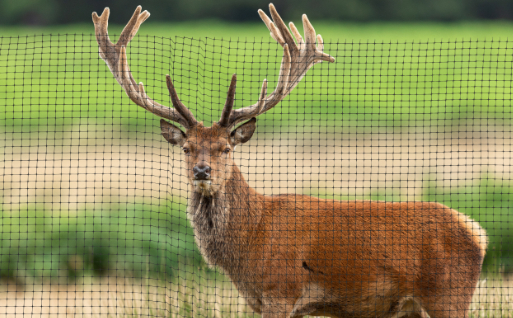
Does garden netting deter deer? Absolutely—when you use the right product. Standard lightweight plant netting won't stop a determined deer, but a proper deer fence creates a tall, visible barrier around your garden perimeter that keeps deer, rabbits, and other large animals out. Our deer fencing is made from heavy-duty polypropylene mesh that is strong enough to handle impact yet flexible enough for DIY installation around gardens, orchards, and landscape beds.
Deer can destroy an entire vegetable garden overnight, eating everything from hostas to tomato plants. A mesh fence installed around the perimeter is the single most effective way to deter them. Stakes, poles, or existing fence posts provide the support structure, and zip ties or clips secure the netting in place. At seven feet tall, our deer netting is high enough that deer will not attempt to jump it, giving your plants year-round protection against wildlife.
Shop Deer Fence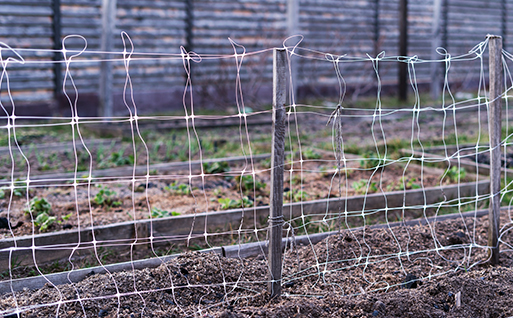
Trellis netting helps climbing plants like tomatoes, cucumbers, peas, beans, and vine crops grow vertically, which increases airflow, reduces ground rot, and maximizes your growing space. Gardeners with compact raised beds or small backyard plots especially benefit from trellising, since it lets you grow more produce in the same footprint.
Our trellis netting features 6-inch square openings that make harvesting easy without damaging delicate stems and leaves. The netting is rot-proof, rust-proof, and UV stabilized, so it holds up through an entire season. String it between poles, attach it to a wall, or create a simple A-frame structure for your vines. Trellis netting is a staple in every serious gardener's toolkit and one of the most cost-effective ways to increase your garden's yield.
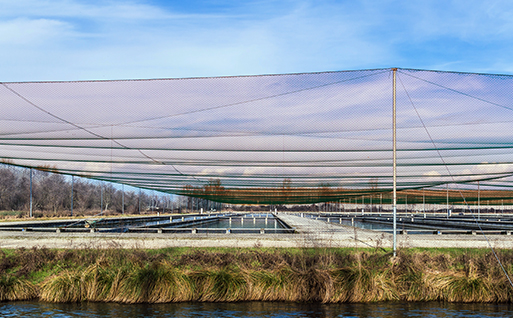
Shop Trellis NettingPond netting keeps leaves, debris, and predators out of your pond while protecting fish and aquatic plants. It's non-toxic, won't rust or rot, and is available in large rolls that cover any size water feature. If you maintain a koi pond, backyard fishery, or decorative water garden, pond netting is an essential protective layer that blends into the landscape.
Shop Pond NettingChoosing the right netting depends on the pest you're dealing with and the plants you're growing. Here's a quick guide to mesh sizes and their best uses:
Fine Mesh (1/8" to 1/4")
Blocks insects, aphids, cabbage moths, and other tiny pests. Ideal as insect netting or bug netting for raised beds and row covers.
Medium Mesh (1/2" to 3/4")
Stops birds and squirrels from reaching fruit trees, berry bushes, and vegetable gardens. The standard choice for bird netting.
Wide Mesh (1" to 2")
Works as trellis netting for climbing plants and vines, or as general-purpose plant netting. Not suitable for pest control but excellent for crop support.
Heavy-Duty Mesh (3/4" Deer Fence)
Tall, strong fencing designed to keep deer, rabbits, and larger animals out of your perimeter.
What is the difference between mesh and netting? In most garden contexts, the terms are interchangeable. "Mesh" tends to describe the material's weave pattern, while "netting" refers to its function. Regardless of what you call it, the key factors are mesh size, material (plastic, polypropylene, or nylon), UV protection, and durability.
Proper installation makes the difference between netting that works and netting that frustrates you. Follow these steps to protect your plants and get the best results:
Use Support Structures
Poles, stakes, garden hoops, or PVC frames prevent netting from sagging onto your plants. This is especially important with bird netting and insect netting, where direct contact can still allow pests to feed through the mesh.
Secure the Edges
Pin netting to the ground with landscape staples, rocks, or soil. Gaps at the base are the most common entry point for pests. Use clips, zip ties, or drawstrings to attach netting to frames.
Size It Right
Measure your garden bed or area before ordering. Our netting comes in large rolls that you can cut to size, so there's no need to patch multiple small pieces together.
Plan for Access
Leave one side loose or use a weighted edge so you can lift the netting to water, weed, and harvest without removing the entire setup.
Combine Methods
Many gardeners use trellis netting for plant support alongside bird netting or deer fence for pest protection. Layering different nettings creates the most comprehensive defense for your garden.
Netting is reusable season after season when stored properly. Fold it neatly, keep it in a dry location, and inspect for any damage before redeploying. Small tears can be repaired with a quick patch or replaced section.
Yes. Netting to protect your garden is one of the smartest investments a gardener can make. Without protection, you risk losing crops to birds, deer, squirrels, insects, and even harsh climate conditions. Garden netting provides a physical barrier that requires no chemicals, poses no risk to wildlife or pets, and lasts for years.
Fine mesh netting doubles as a frost blanket alternative in early spring, trapping heat close to the soil and protecting seedlings from late-season cold snaps. During summer, shade cloth reduces temperature stress. And throughout the growing season, crop protection netting ensures that your vegetables, fruits, and flowers make it from seed to harvest without becoming pest food.
What are some alternatives to garden netting? Row covers, frost blankets, mulch, companion planting, and physical barriers like hardware cloth all have their place. But for a versatile, affordable, and reusable solution that covers the widest range of threats, garden netting remains the go-to choice for both hobby gardeners and commercial growers.
US Netting has been manufacturing and supplying netting products for decades. Our customer list includes NASA, the US military, Walmart Distribution, Universal Studios, and thousands of farms, greenhouses, and backyard gardeners. We produce commercial-grade and military-grade netting, and that same quality goes into every product we sell.
When you buy from US Netting, you get:
Whether you need a small piece of trellis netting for a backyard DIY project or hundreds of feet of deer fence for a commercial landscape, we have the supply and expertise to deliver. Contact us today and let us help you find the right netting for your lawn, garden, or farm.


 Safety Netting
  Barrier Netting
  Loading Dock Safety Nets
  Facility & Warehouse Safety
  Construction Safety Catalog
  Debris Netting Panels
  Fall Safety Netting
  Steel Netting
  Kevlar Reinforced Netting
  Conveyor Netting
  Drone Safety Netting
  Spectator Safety Products
  Transportation Safety Netting
  Plastic Fence
  Cargo Nets
  1" Webbing Cargo Net
  2" Webbing Cargo Net
  Custom Cargo Netting
  Cargo Netting Roll
  Military Grade Cargo Lifting Net
  Decorative Rope Cargo Net
  Truck Cargo Net
  Truck Cargo Net Kit
  Rope Cargo Net
  Steel Cargo Net
  Kevlar Reinforced Cargo Net
  Jumbo Lifting Nets
  Warehouse Cart Netting
  Pallet Rack Netting
  Debris Net Rolls
  Loading Dock Solutions
  Wall Mounted Loading Dock Nets
  Above-Ground Loading Dock Safety Nets
  In Ground Loading Dock Nets
  Existing Bollard Safety Nets™
  Construction Netting and Mesh
  Debris Netting Panels
  Fall Safety Netting
  Debris Netting Rolls
  Hatch Safety Netting
  Safety Barrier Netting
  Warehouse Safety Netting
  Hatch Netting
  Rack Safety Netting
  Loading Dock Solutions
  Military Netting
  Plastic Netting
  All Purpose Nets
  Barrier Netting
  Custom Barrier Netting
  EZ Barrier
  Knotless & Knotted Barrier Netting
  Sports Barrier Netting
  Warehouse & Dock Safety Barriers
  Pallet Rack Barrier Netting
  Sports Netting
  Custom Sports Netting
  Golf Netting, Barriers & Cages
  Baseball Netting & Cages
  Spectator Safety Products
  Camouflage Nets
  Drone Netting
  Gym Divider Curtains
  Lacrosse Backstops
  Agricultural & Pest Control Netting
  Shade Cloth
  Trellis Netting
  Crop Protection & Blueberry Netting
  Bird Netting
  Pond Netting
  Pest Control
  Poultry Netting
  Shade Cloth
  Square / Rectangular Shade Cloth
  Triangular Shade Cloth
  Metal Netting
  Steel Cable Netting
  Conveyor Netting
  Light Duty Conveyor Netting
  Heavy Duty Conveyor Netting
  Heavy Duty Conveyor Netting w/ Debris Liner
  Plastic Fence Netting
  Multi-Use Plastic Fence
  Safety Barrier Fence
  Containment Netting
  Deer Fence
  Plastic Elk Fence
  Plastic Agricultural Netting
  Plastic Pallet Rack Netting
  Plastic Bird Netting
  Plastic Poultry Netting
  Plastic Snow Fence