

 Safety Netting
  Barrier Netting
  Loading Dock Safety Nets
  Facility & Warehouse Safety
  Construction Safety Catalog
  Debris Netting Panels
  Fall Safety Netting
  Steel Netting
  Kevlar Reinforced Netting
  Conveyor Netting
  Drone Safety Netting
  Spectator Safety Products
  Transportation Safety Netting
  Plastic Fence
  Cargo Nets
  1" Webbing Cargo Net
  2" Webbing Cargo Net
  Custom Cargo Netting
  Cargo Netting Roll
  Military Grade Cargo Lifting Net
  Decorative Rope Cargo Net
  Truck Cargo Net
  Truck Cargo Net Kit
  Rope Cargo Net
  Steel Cargo Net
  Kevlar Reinforced Cargo Net
  Jumbo Lifting Nets
  Warehouse Cart Netting
  Pallet Rack Netting
  Debris Net Rolls
  Loading Dock Solutions
  Wall Mounted Loading Dock Nets
  Above-Ground Loading Dock Safety Nets
  In Ground Loading Dock Nets
  Existing Bollard Safety Nets™
  Construction Netting and Mesh
  Debris Netting Panels
  Fall Safety Netting
  Debris Netting Rolls
  Hatch Safety Netting
  Safety Barrier Netting
  Warehouse Safety Netting
  Hatch Netting
  Rack Safety Netting
  Loading Dock Solutions
  Military Netting
  Plastic Netting
  All Purpose Nets
  Barrier Netting
  Custom Barrier Netting
  EZ Barrier
  Knotless & Knotted Barrier Netting
  Sports Barrier Netting
  Warehouse & Dock Safety Barriers
  Pallet Rack Barrier Netting
  Sports Netting
  Custom Sports Netting
  Golf Netting, Barriers & Cages
  Baseball Netting & Cages
  Spectator Safety Products
  Camouflage Nets
  Drone Netting
  Gym Divider Curtains
  Lacrosse Backstops
  Agricultural & Pest Control Netting
  Shade Cloth
  Trellis Netting
  Crop Protection & Blueberry Netting
  Bird Netting
  Pond Netting
  Pest Control
  Poultry Netting
  Shade Cloth
  Square / Rectangular Shade Cloth
  Triangular Shade Cloth
  Metal Netting
  Steel Cable Netting
  Conveyor Netting
  Light Duty Conveyor Netting
  Heavy Duty Conveyor Netting
  Heavy Duty Conveyor Netting w/ Debris Liner
  Plastic Fence Netting
  Multi-Use Plastic Fence
  Safety Barrier Fence
  Containment Netting
  Deer Fence
  Plastic Elk Fence
  Plastic Agricultural Netting
  Plastic Pallet Rack Netting
  Plastic Bird Netting
  Plastic Poultry Netting
  Plastic Snow Fence
OSHA has determined that there are four main safety hazards, excluding transportation incidents, that account for a majority of all construction worker deaths each year on the job site. Dubbed the “Fatal Four” by OSHA, they include falls, electrocutions, being struck by objects, and getting caught in or between hazards. In 2016, 63.7% of all fatalities at construction sites were from one of OSHA’s Fatal Four.
Electrocution is a hazard that we often take for granted. We know it can happen, but we don’t always think about how to avoid it. In this blog post, we’ll discuss the hazards of electrocution and how to avoid it. We’ll also look at some statistics on death and injury from electrocution.
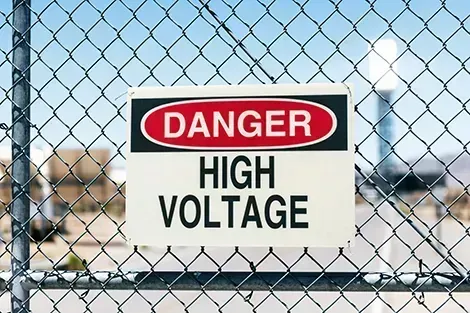
The Dangers of Electrocution in the Workplace
Electrocution occurs when the body comes into contact with an electrical current. This contact can cause burns, damage to the nervous system, and even death. While most people instinctively know to avoid live wires, there are many other potential sources of electrical current that can be just as dangerous.
Open wires are a common hazard in the workplace. They can be found in many places, including construction sites, factories, and office buildings. It is important to be aware of these hazards and take the necessary precautions to avoid them.
Hazards on a work site
One of the most common ways to avoid electrocution from open wires is to stay away from them. If you see an open wire, do not touch it, and make sure to warn others about it. Another way to avoid electrocution is to keep all electrical equipment properly grounded. If you are working with electrical equipment, make sure it is plugged into a grounded outlet. And finally, always use caution when working around power lines. Never go near them if they are live, and make sure that all power lines are clearly marked.
Electrical hazards are present on any worksite where electricity is present. cords and wires can be easily damaged, and can create a hazardous situation when they are exposed. In some cases, an electrical current may arc to a person, causing serious injury or death. The best way to avoid these hazards is to be aware of them and take the necessary precautions. Make sure all cords and wires are properly insulated and protected from damage.
Some common sources of electrical current in the workplace include:
- Overhead power lines
- Damaged electrical cords or outlets
- Electrical equipment that is not properly grounded
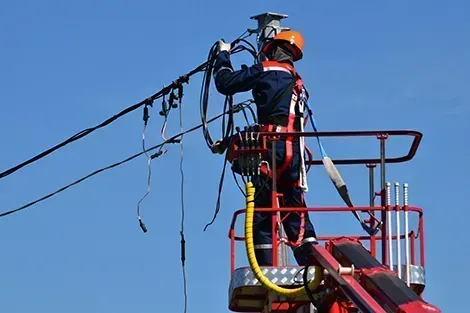
How to avoid electrocution on the job site
Every year, thousands of construction workers are injured or killed by electricity. Most of these accidents could have been prevented with the right safety precautions. In this blog post, we'll discuss some simple steps you can take to avoid electrocution while working on the job site.
When working near any of these potential sources of electrical current, it is important to take proper safety precautions. This includes wearing appropriate personal protective equipment, such as rubber gloves and insulated clothing. Never attempt to repair damaged electrical equipment yourself; always call a qualified electrician to do the job. And always be aware of your surroundings so that you can spot potential hazards before they become a problem.
Step 1: Familiarize yourself with the dangers of electricity.
Just because you can't see or smell electricity doesn't mean it isn't dangerous. Electricity is invisible, but it can kill you if you're not careful. Before you start work on any job that involves electricity, make sure you understand the risks. Ask your supervisor if there are any safety hazards you should be aware of, and read all warning signs and labels carefully.
Step 2: Wear the proper safety gear.
When working with electricity, it's important to wear the proper safety gear. This includes rubber-soled shoes, gloves, and a face shield. If possible, you should also wear a fire-resistant suit. Wearing the proper safety gear will help protect you from an electrical shock if something goes wrong.
Step 3: Use caution when working with power tools.
Power tools can be dangerous if they're not used properly. When using power tools around electricity, always make sure that the tool is properly grounded. Also, avoid using power tools in wet or damp areas, and never use them near flammable materials. If possible, have another person nearby to act as a spotter in case of an emergency.
Electricity is invisible but extremely dangerous. Thousands of people are injured or killed by electricity every year, but most of these accidents could have been prevented with the right safety precautions. When working with electricity, make sure you understand the risks, wear the proper safety gear, and use caution when working with power tools. By following these simple steps, you can greatly reduce your risk of being electrocuted on the job site.
For more information on the hazards and prevention of electrocution follow the links below:
- https://www.constructconnect.com/blog/avoiding-oshas-fatal-four-electrocution-hazards
- https://blogs.cdc.gov/niosh-science-blog/2019/02/08/electrocution-in-construction/
Rescuing a shock victim
Electricity is one of the most dangerous things on a construction site. That's why it's so important to know what to do if someone is electrocuted. In this blog post, we'll go over the steps you should take to rescue a victim of electrical shock.
1. The first thing you should do is disconnect the power source. If the person was electrocuted by a live wire, make sure to turn off the power before you try to rescue them. Otherwise, you could be electrocuted as well.
2. Once the power is off, assess the situation. If the person is not breathing or their heart has stopped, start CPR right away. If they are still breathing and their heart is beating, continue to step 3.
3. Look for signs of burns. Electrical burns can often be hidden under clothes, so it's important to carefully check the victim's body for any signs of burns. If you see any burns, call for medical help right away.
4. Finally, if the person is not burned and they are still breathing and their heart is beating, keep them calm and comfortable until medical help arrives. Do not move them unless it is absolutely necessary, as this could make their injuries worse.
Statistics of death and injury
For workers, electrical dangers are always present. In fact, electrocution is one of the leading causes of death in this industry. Every year, hundreds of construction workers are killed and thousands more injured by electrical hazards.
Statistics clearly show that exposure to electricity is still a major cause of deaths among construction workers. Among electricians, the most serious concern is working “live” or near live wires, instead of de-energizing and using lockout/tagout procedures.
For a more thorough look at the statistics follow the link below:
https://www.elcosh.org/document/1599/d000539/Why+Are+So+Many+Construction+Workers+Being+Electrocuted%253F.html