Safety Netting
  Barrier Netting
  Loading Dock Safety Nets
  Facility & Warehouse Safety
  Construction Safety Catalog
  Debris Netting Panels
  Fall Safety Netting
  Steel Netting
  Kevlar Reinforced Netting
  Conveyor Netting
  Drone Safety Netting
  Spectator Safety Products
  Transportation Safety Netting
  Plastic Fence
  Cargo Nets
  1" Webbing Cargo Net
  2" Webbing Cargo Net
  Custom Cargo Netting
  Cargo Netting Roll
  Military Grade Cargo Lifting Net
  Decorative Rope Cargo Net
  Truck Cargo Net
  Truck Cargo Net Kit
  Rope Cargo Net
  Steel Cargo Net
  Kevlar Reinforced Cargo Net
  Jumbo Lifting Nets
  Warehouse Cart Netting
  Pallet Rack Netting
  Debris Net Rolls
  Loading Dock Solutions
  Wall Mounted Loading Dock Nets
  Above-Ground Loading Dock Safety Nets
  In Ground Loading Dock Nets
  Existing Bollard Safety Nets™
  Construction Netting and Mesh
  Debris Netting Panels
  Fall Safety Netting
  Debris Netting Rolls
  Hatch Safety Netting
  Safety Barrier Netting
  Warehouse Safety Netting
  Hatch Netting
  Rack Safety Netting
  Loading Dock Solutions
  Military Netting
  Plastic Netting
  All Purpose Nets
  Barrier Netting
  Custom Barrier Netting
  EZ Barrier
  Knotless & Knotted Barrier Netting
  Sports Barrier Netting
  Warehouse & Dock Safety Barriers
  Pallet Rack Barrier Netting
  Sports Netting
  Custom Sports Netting
  Golf Netting, Barriers & Cages
  Baseball Netting & Cages
  Spectator Safety Products
  Camouflage Nets
  Drone Netting
  Gym Divider Curtains
  Lacrosse Backstops
  Agricultural & Pest Control Netting
  Shade Cloth
  Trellis Netting
  Crop Protection & Blueberry Netting
  Bird Netting
  Pond Netting
  Pest Control
  Poultry Netting
  Shade Cloth
  Square / Rectangular Shade Cloth
  Triangular Shade Cloth
  Metal Netting
  Steel Cable Netting
  Conveyor Netting
  Light Duty Conveyor Netting
  Heavy Duty Conveyor Netting
  Heavy Duty Conveyor Netting w/ Debris Liner
  Plastic Fence Netting
  Multi-Use Plastic Fence
  Safety Barrier Fence
  Containment Netting
  Deer Fence
  Plastic Elk Fence
  Plastic Agricultural Netting
  Plastic Pallet Rack Netting
  Plastic Bird Netting
  Plastic Poultry Netting
  Plastic Snow Fence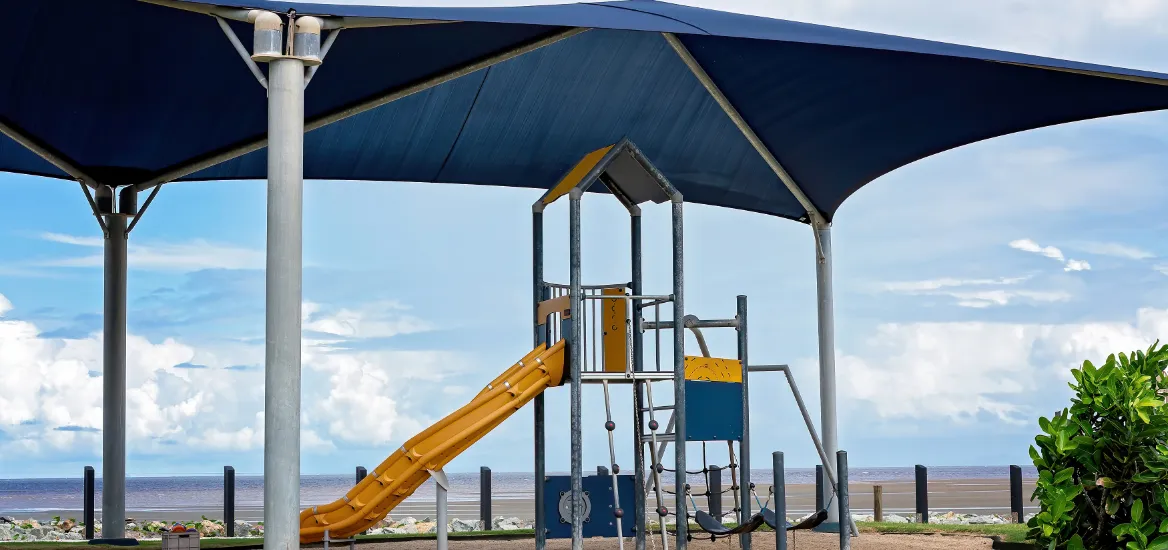
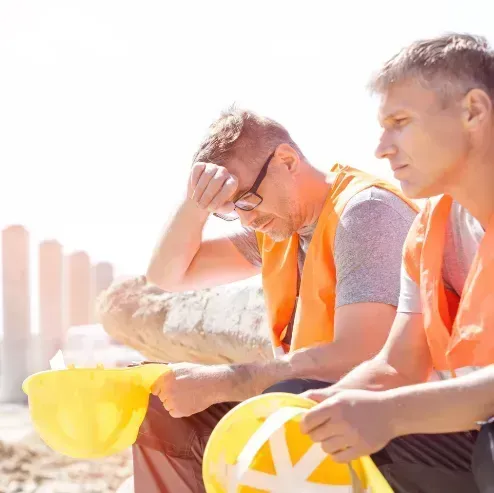
Summer is the best time for some fun in the sun. But, it is essential to be safe whenever exposed to Ultraviolet (UV) rays. Excessive exposure to UV radiation can be hazardous. The risks include blinding, cancer, leather skin, liver spots, and actinic keratosis. Exposure to UV rays can even weaken the immune system in excess. This causes vaccines to be less effective and more likely to become ill. Exposure while working outside can cause heat exhaustion or even heat stroke.Though sunshine is essential for our health, it can quickly tarnish our quality of life in mass amounts.
Moderation and safe practices are vital to enjoying summer without getting burnt. The UV index scale is an established system by the World Health Organization. The goal is to help people determine the strength of the sun's UV rays every hour of the day. This can help people prepare to spend time in the sun while remaining safe. This is to help decrease the amount of harmful exposure to UV radiation. The scale goes beyond eleven, but the range title above eleven is the same.
Below is a table that indicates the severity of UV exposure based on the index
| Range | Severity | Protection |
|---|---|---|
| 0-2 | Low | Safe outside with minimal protection. |
| 3-5 | Moderate | Protection needed. Seek shade from late morning to mid-afternoon. Wear sunscreen, protective clothing, a hat, sunglasses. |
| 6-7 | High | Protection needed. Seek shade from late morning to mid-afternoon. Wear sunscreen, protective clothing, a hat, sunglasses. |
| 8-10 | Very High | Extra protection needed. Be careful outside. Seek shade, sunscreen, and protective clothing. |
| 11+ | Extreme | Advise use of broad-spectrum sunscreen. Reapply when needed. Wear a wide-brimmed hat, protective clothing, and seek shade. |

There are ways to mitigate the sun's harmful effects on the skin. Practicing sun safety is the best way to decrease the risk of severe health problems.
1. Wear Appropriate SPF Sunscreen and Reapply
Wearing sunscreen can protect your skin from the sun and lower the risk of becoming sunburnt. The dangers associated with exposure to harsh UV rays can diminish with sunscreen. Sunscreen has an SPF rating which determines how much extra protection it provides. The higher the number on the SPF label, the longer the protection.
Example:
If your skin burns in 20 minutes, but you apply SPF 30, you must reapply sunscreen every 50
minutes.
2. Clothing
Wearing clothing with coverage prevents radiation exposure directly to the skin. This includes wearing jeans, lightweight, long-sleeved shirts, and wide-brimmed hats. A hat to provide shade on the face, eyes, ears, shoulders, and chest is a great way to mitigate exposure to the sun.
3. Shade Cloth
Installing shade cloth is a wonderful way to provide safety for outdoor events. Whether at a pool or in the backyard, shade cloth can help block the intensity of UV rays. Shade cloth generally blocks 60-70% of UV rays. This allows for a great alternative to direct sunlight while enjoying the day.
4. Take Breaks
Taking breaks to hydrate, reapply sunscreen, and have time out from the sun is essential. A great way to establish break time is every hour, for 5-10 minutes.
5. Check the Weather
While planning your activities for a day in the sun, look beyond the temperature. Checking the UV index is a great way to ensure you take appropriate precautions. Remember, the higher the scale, the more safety measures you should implement.
6. Protect Your Eyes
Wearing UV-resistant sun protection helps gain extra coverage. UV rays can cause significant issues with the cornea, as they can become inflamed or burned. Look for labels that suggest the sunglasses block UV rays.
Remember:
Too much or little sunshine can have dangerous consequences. Be sure to engage in the safety practices that are right for you. It is possible to have a lifetime of sun without risking your health. Moderation and safety practices combined are a great way to be safe this summer.