

 Safety Netting
  Barrier Netting
  Loading Dock Safety Nets
  Facility & Warehouse Safety
  Construction Safety Catalog
  Debris Netting Panels
  Fall Safety Netting
  Steel Netting
  Kevlar Reinforced Netting
  Conveyor Netting
  Drone Safety Netting
  Spectator Safety Products
  Transportation Safety Netting
  Plastic Fence
  Cargo Nets
  1" Webbing Cargo Net
  2" Webbing Cargo Net
  Custom Cargo Netting
  Cargo Netting Roll
  Military Grade Cargo Lifting Net
  Decorative Rope Cargo Net
  Truck Cargo Net
  Truck Cargo Net Kit
  Rope Cargo Net
  Steel Cargo Net
  Kevlar Reinforced Cargo Net
  Jumbo Lifting Nets
  Warehouse Cart Netting
  Pallet Rack Netting
  Debris Net Rolls
  Loading Dock Solutions
  Wall Mounted Loading Dock Nets
  Above-Ground Loading Dock Safety Nets
  In Ground Loading Dock Nets
  Existing Bollard Safety Nets™
  Construction Netting and Mesh
  Debris Netting Panels
  Fall Safety Netting
  Debris Netting Rolls
  Hatch Safety Netting
  Safety Barrier Netting
  Warehouse Safety Netting
  Hatch Netting
  Rack Safety Netting
  Loading Dock Solutions
  Military Netting
  Plastic Netting
  All Purpose Nets
  Barrier Netting
  Custom Barrier Netting
  EZ Barrier
  Knotless & Knotted Barrier Netting
  Sports Barrier Netting
  Warehouse & Dock Safety Barriers
  Pallet Rack Barrier Netting
  Sports Netting
  Custom Sports Netting
  Golf Netting, Barriers & Cages
  Baseball Netting & Cages
  Spectator Safety Products
  Camouflage Nets
  Drone Netting
  Gym Divider Curtains
  Lacrosse Backstops
  Agricultural & Pest Control Netting
  Shade Cloth
  Trellis Netting
  Crop Protection & Blueberry Netting
  Bird Netting
  Pond Netting
  Pest Control
  Poultry Netting
  Shade Cloth
  Square / Rectangular Shade Cloth
  Triangular Shade Cloth
  Metal Netting
  Steel Cable Netting
  Conveyor Netting
  Light Duty Conveyor Netting
  Heavy Duty Conveyor Netting
  Heavy Duty Conveyor Netting w/ Debris Liner
  Plastic Fence Netting
  Multi-Use Plastic Fence
  Safety Barrier Fence
  Containment Netting
  Deer Fence
  Plastic Elk Fence
  Plastic Agricultural Netting
  Plastic Pallet Rack Netting
  Plastic Bird Netting
  Plastic Poultry Netting
  Plastic Snow Fence
Every day, people go to work and do their best to make sure that they are safe while doing so. However, there are times when accidents happen, even in the most seemingly safe of places.
How to Ensure a Safe Loading Dock Area
Loading docks can be dangerous, as they often involve heavy equipment and large trucks. To prevent accidents, it is important to take safety precautions while working in this area. Some of the things to look for in a Loading Dock OSHA Report include:
- Lack of safety signage or warnings
- Improper use of equipment
- Unsafe work practices
- Poor lighting
Every year, thousands of injuries occur due to slipping, tripping, or falling off of a loading dock. To help prevent these accidents from happening, it is important to be aware of the dangers that are present in this type of environment.
Loading Dock Risks and Dangers
One of the biggest dangers that workers face when working on or around a loading dock is the risk of slipping and falling. To reduce this risk, it is important to take precautions such as wearing shoes with good traction and keeping the area clean and free of debris.
Another common hazard in a loading dock environment is tripping over objects that have been left lying around. To prevent tripping accidents, it is important to keep the work area tidy and free of obstacles.
Finally, workers can also be injured in a fall from a height while working on or around a loading dock. To minimize the risk of falls, it is important to use proper safety equipment and to be aware of the potential hazards that are present in the area.
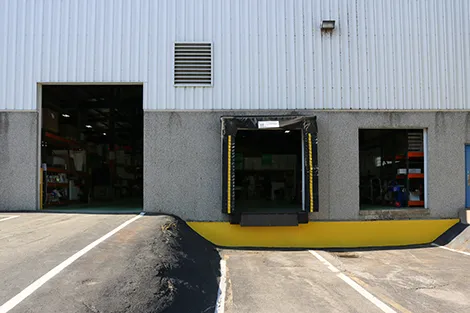
2021 Loading Dock Accidents
In 2021, there were fifteen loading dock accidents. Twelve of them resulted in fatalities. These tragedies might have been prevented if these businesses had improved their safety procedures and used proper loading dock safety equipment.
Loading Dock OSHA Report
One way to prevent such an event from happening again is to create a Loading Dock OSHA Report. This report can help identify any potential hazards and areas of improvement to ensure that employees are working in a safe environment. By creating this report, employers can better protect their employees and avoid tragic accidents like this from happening in the future.
When creating a Loading Dock OSHA Report, employers should include information on the following:
- The type of loading dock (e.g. raised, recessed, ground-level)
- The height of the dock
- The width of the dock
- Any safety features (e.g. guard rails, warning signs)
- The type of surface surrounding the dock (e.g. concrete, asphalt)
- Any potential hazards (e.g. uneven surfaces, protruding objects)
- Any safety procedures in place (e.g. safe walking routes, use of personal protective equipment)
There are a few ways that your company can prevent being included on the OSHA Accident Search list. By following safety guidelines and protocols, you can help minimize the chances of an accident happening in your workplace. Some tips to keep in mind include:
- Establishing safe work procedures and rules and ensuring all employees are familiar with them
- Providing adequate safety training to employees
- Making sure all equipment is properly maintained and inspected
- Creating a positive safety culture within your organization
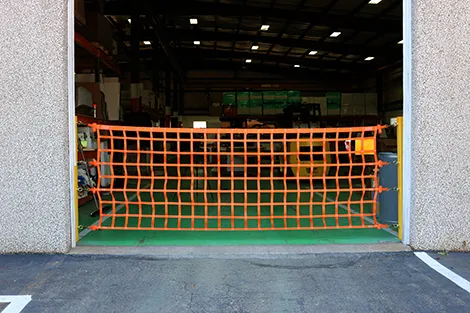
A loading dock safety net from US Netting can help prevent workplace accidents by providing a physical barrier between employees and moving vehicles. By installing a loading dock safety net, you can help keep your employees safe and reduce the chances of an accident happening.
If an accident does occur, it is important to take quick and decisive action to mitigate the damage. Contact OSHA as soon as possible and work with them to investigate the incident. Take steps to correct any safety hazards that were identified during the investigation and make sure that employees are aware of the changes. Implementing these safety measures can help keep your company from being included on the OSHA Accident Search list.