

 Safety Netting
  Barrier Netting
  Loading Dock Safety Nets
  Facility & Warehouse Safety
  Construction Safety Catalog
  Debris Netting Panels
  Fall Safety Netting
  Steel Netting
  Kevlar Reinforced Netting
  Conveyor Netting
  Drone Safety Netting
  Spectator Safety Products
  Transportation Safety Netting
  Plastic Fence
  Cargo Nets
  1" Webbing Cargo Net
  2" Webbing Cargo Net
  Custom Cargo Netting
  Cargo Netting Roll
  Military Grade Cargo Lifting Net
  Decorative Rope Cargo Net
  Truck Cargo Net
  Truck Cargo Net Kit
  Rope Cargo Net
  Steel Cargo Net
  Kevlar Reinforced Cargo Net
  Jumbo Lifting Nets
  Warehouse Cart Netting
  Pallet Rack Netting
  Debris Net Rolls
  Loading Dock Solutions
  Wall Mounted Loading Dock Nets
  Above-Ground Loading Dock Safety Nets
  In Ground Loading Dock Nets
  Existing Bollard Safety Nets™
  Construction Netting and Mesh
  Debris Netting Panels
  Fall Safety Netting
  Debris Netting Rolls
  Hatch Safety Netting
  Safety Barrier Netting
  Warehouse Safety Netting
  Hatch Netting
  Rack Safety Netting
  Loading Dock Solutions
  Military Netting
  Plastic Netting
  All Purpose Nets
  Barrier Netting
  Custom Barrier Netting
  EZ Barrier
  Knotless & Knotted Barrier Netting
  Sports Barrier Netting
  Warehouse & Dock Safety Barriers
  Pallet Rack Barrier Netting
  Sports Netting
  Custom Sports Netting
  Golf Netting, Barriers & Cages
  Baseball Netting & Cages
  Spectator Safety Products
  Camouflage Nets
  Drone Netting
  Gym Divider Curtains
  Lacrosse Backstops
  Agricultural & Pest Control Netting
  Shade Cloth
  Trellis Netting
  Crop Protection & Blueberry Netting
  Bird Netting
  Pond Netting
  Pest Control
  Poultry Netting
  Shade Cloth
  Square / Rectangular Shade Cloth
  Triangular Shade Cloth
  Metal Netting
  Steel Cable Netting
  Conveyor Netting
  Light Duty Conveyor Netting
  Heavy Duty Conveyor Netting
  Heavy Duty Conveyor Netting w/ Debris Liner
  Plastic Fence Netting
  Multi-Use Plastic Fence
  Safety Barrier Fence
  Containment Netting
  Deer Fence
  Plastic Elk Fence
  Plastic Agricultural Netting
  Plastic Pallet Rack Netting
  Plastic Bird Netting
  Plastic Poultry Netting
  Plastic Snow Fence
 How To Install Debris Netting
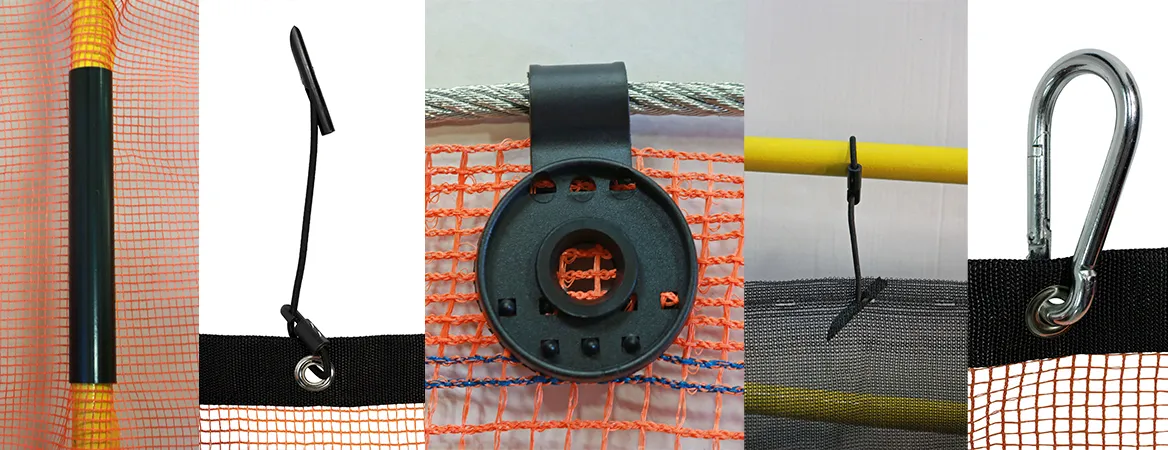
Installing debris netting is a great way to protect your property from damage during a storm. Debris can cause serious damage to buildings and vehicles, but with netting in place, you can rest easy knowing that your property is safe. Installation is easy and can be completed in just a few minutes.
Why you need debris netting to stay safe
Loading docks can be dangerous, as they often involve heavy equipment and large trucks. To prevent accidents, it is important to take safety precautions while working in this area. Some of the things to look for in a Loading Dock OSHA Report include:
Debris netting is essential for scaffolding safety, as it can prevent injuries caused by falling debris. It is also useful for protecting windows and other vulnerable areas of a building from damage.
It is important for construction sites, as it can help to prevent falls and keep the site clean. Debris netting can also be used for fall prevention in other settings, such as schools or factories. By installing debris netting, you can help to keep your employees safe and avoid costly contaminants.
Debris netting is a great way to keep your property safe during a storm. With just a few minutes of installation, you can rest assured that your property is well-protected. Netting is an important part of debris management because it can protect people and property from the dangers of flying debris. Debris netting can be installed on homes, businesses, and other structures to help keep them safe from wind-blown objects. In addition, netting can be used to protect vehicles from damage during a storm. Debris netting is an affordable and easy way to help reduce the risk of damage during a storm.
Types of Debris Netting
There are several different types of debris netting available on the market. The most common type is debris net panels that have a webbing border, which is installed using a wire frame. The frame holds the netting in place and prevents it from blowing away in high winds. Netting can also be attached to buildings or other structures with Velcro or hooks.
Another type of debris netting is the roll form. This type of netting is easy to install and can be used to protect large areas from flying debris. Rolls of netting come in various sizes, so you can choose the one that best suits your needs.
Both webbing border and roll forms of debris netting are easy to use and provide excellent protection from flying debris.
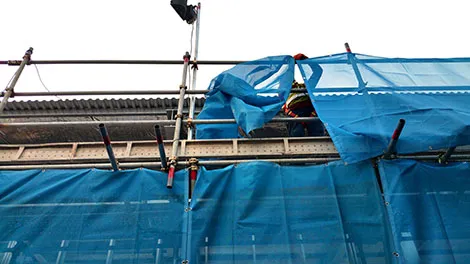
Different Attachment Types
There are a variety of ways to attach debris netting to a structure. The most common methods are secure clips, zip ties, bungee clips, and scaffolding clips.
Secure clips are a quick and easy way to attach netting to a frame or structure. They can be used with either metal or plastic frames and are very sturdy.
Zip ties are also a popular way to attach netting. They are easy to use and can be attached to most surfaces. Zip ties are also very durable and can hold up to high winds.
Bungee clips are another option for attaching netting. They are adjustable and can be used on uneven surfaces. Bungee clips are also very strong and can hold up in windy conditions.
Scaffolding clips are ideal for attaching netting to scaffolding or other structures. They are easy to use and provide a secure fit.
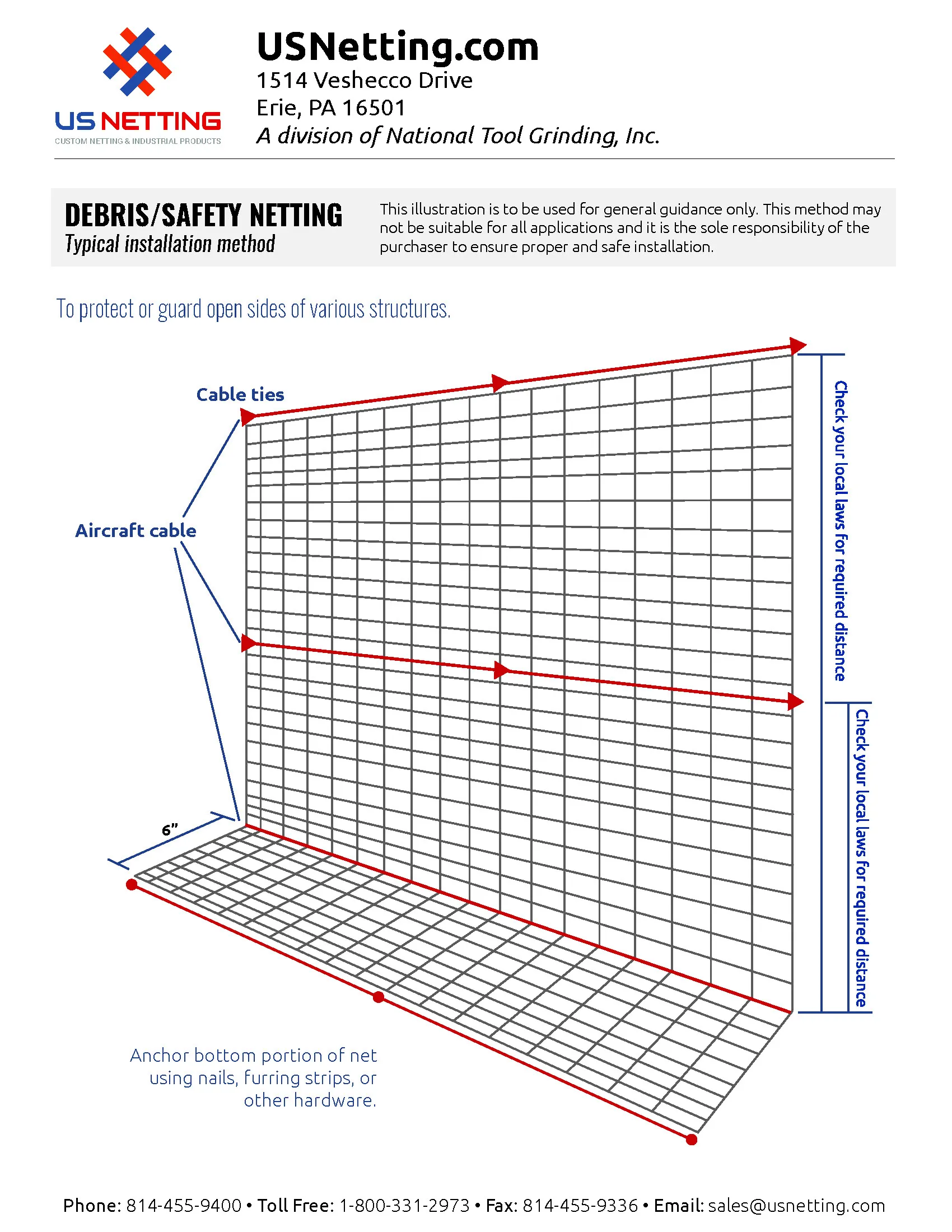
Debris Netting Installation Steps
Installation of debris netting is easy and can be completed in just a few minutes. To install debris netting, simply follow these steps:
1. Secure the netting to the scaffolding with ties or cord. Make sure that the knots are tight and secure, so that the netting will not come loose in high winds.
2. Wrap the netting around the perimeter of the scaffolding, and secure it in place with more ties or cord.
3. Trim any excess netting, so that it is neat and tidy.
Debris netting is a great way to protect your property and keep your employees safe. Installation is easy and can be completed in just a few minutes. So don't wait, order your debris netting today!