Safety Netting
  Barrier Netting
  Loading Dock Safety Nets
  Facility & Warehouse Safety
  Construction Safety Catalog
  Debris Netting Panels
  Fall Safety Netting
  Steel Netting
  Kevlar Reinforced Netting
  Conveyor Netting
  Drone Safety Netting
  Spectator Safety Products
  Transportation Safety Netting
  Plastic Fence
  Cargo Nets
  1" Webbing Cargo Net
  2" Webbing Cargo Net
  Custom Cargo Netting
  Cargo Netting Roll
  Military Grade Cargo Lifting Net
  Decorative Rope Cargo Net
  Truck Cargo Net
  Truck Cargo Net Kit
  Rope Cargo Net
  Steel Cargo Net
  Kevlar Reinforced Cargo Net
  Jumbo Lifting Nets
  Warehouse Cart Netting
  Pallet Rack Netting
  Debris Net Rolls
  Loading Dock Solutions
  Wall Mounted Loading Dock Nets
  Above-Ground Loading Dock Safety Nets
  In Ground Loading Dock Nets
  Existing Bollard Safety Nets™
  Construction Netting and Mesh
  Debris Netting Panels
  Fall Safety Netting
  Debris Netting Rolls
  Hatch Safety Netting
  Safety Barrier Netting
  Warehouse Safety Netting
  Hatch Netting
  Rack Safety Netting
  Loading Dock Solutions
  Military Netting
  Plastic Netting
  All Purpose Nets
  Barrier Netting
  Custom Barrier Netting
  EZ Barrier
  Knotless & Knotted Barrier Netting
  Sports Barrier Netting
  Warehouse & Dock Safety Barriers
  Pallet Rack Barrier Netting
  Sports Netting
  Custom Sports Netting
  Golf Netting, Barriers & Cages
  Baseball Netting & Cages
  Spectator Safety Products
  Camouflage Nets
  Drone Netting
  Gym Divider Curtains
  Lacrosse Backstops
  Agricultural & Pest Control Netting
  Shade Cloth
  Trellis Netting
  Crop Protection & Blueberry Netting
  Bird Netting
  Pond Netting
  Pest Control
  Poultry Netting
  Shade Cloth
  Square / Rectangular Shade Cloth
  Triangular Shade Cloth
  Metal Netting
  Steel Cable Netting
  Conveyor Netting
  Light Duty Conveyor Netting
  Heavy Duty Conveyor Netting
  Heavy Duty Conveyor Netting w/ Debris Liner
  Plastic Fence Netting
  Multi-Use Plastic Fence
  Safety Barrier Fence
  Containment Netting
  Deer Fence
  Plastic Elk Fence
  Plastic Agricultural Netting
  Plastic Pallet Rack Netting
  Plastic Bird Netting
  Plastic Poultry Netting
  Plastic Snow Fence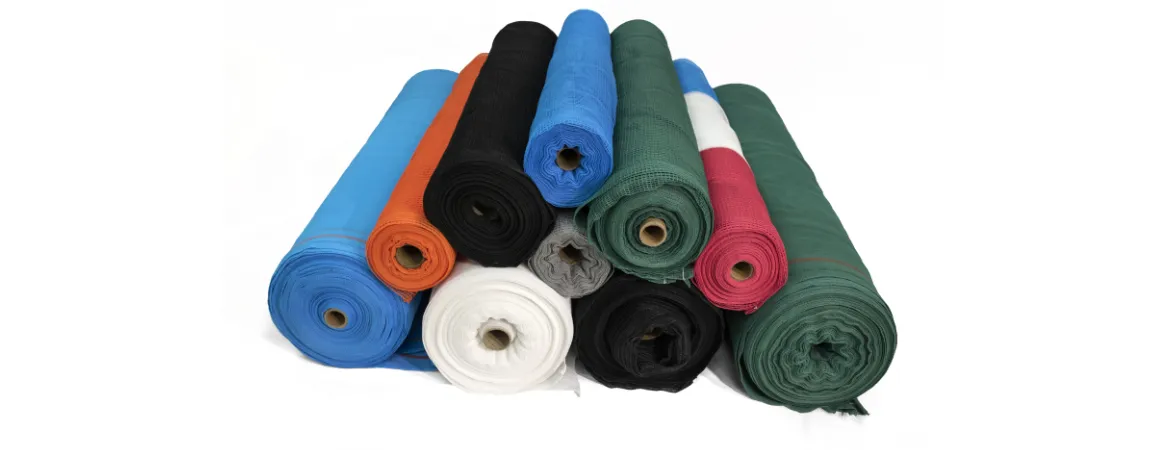
Debris netting is common on construction sites to secure the sides of buildings. This mechanism prevents objects from falling several feet and injuring an individual. Being struck by a falling object accounts for 10% of workplace deaths.
A World Without Debris Netting
- Without debris netting, many more accidents and injuries would occur. Pedestrians and construction workers are at risk for injury without the proper prevention.
- Product loss would be at an all time high.
- Productivity on construction sites would be minimal-they would be more difficult to navigate.
- Contamination of debris on the streets could be a tripping and safety hazard.
Debris Netting: Guide
There are two effective types of debris netting for any practical setting. A fine mesh with a 1/16 inch opening can prevent small debris from falling. A mesh with a 1/4 inch opening ensures that larger pieces of debris do not fall. Both sizes meet NFPA 701 Method II and Boston Fire Marshall fire retardant standards.
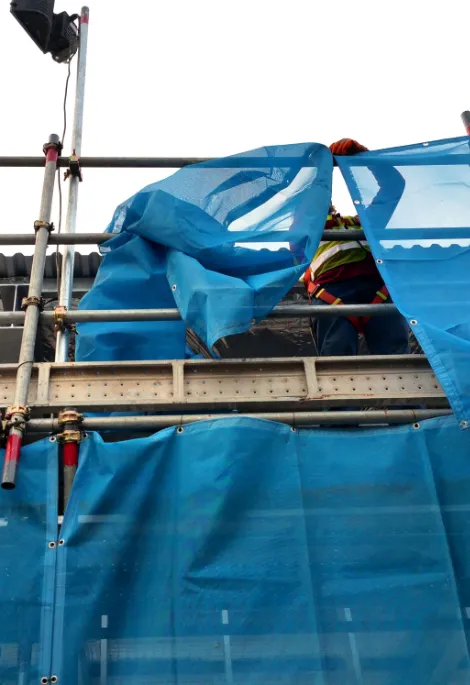
Debris netting consists of high density polyethylene and can withstand falling materials. There are many different uses for debris netting. Whenever used as a panel on the side of a building, this netting can act as a barrier to prevent debris from falling. Whenever paired with fall safety netting, debris prevents products and tools from falling.
- Popular among construction sites, debris netting saves lives whenever installed.
- Given its lightweight structure, debris netting is flexible even in cold weather.
- For larger structures requiring more coverage, debris netting rolls are a practical solution.
Large projects utilizing debris rolls have different options for attachment. These attachment points include:
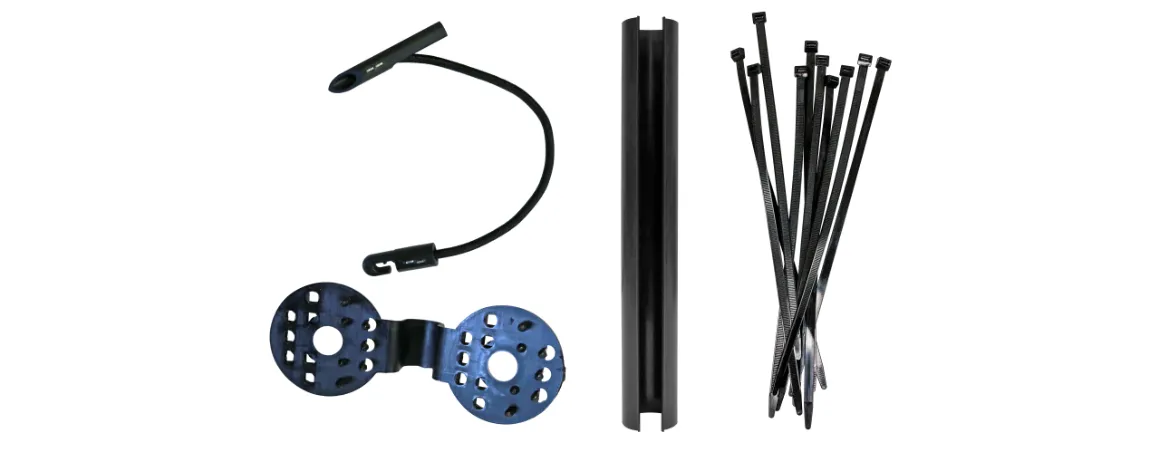
- Secure clips
- Bungee clips
- Scaffolding clips
- Zip ties
Attachment points in the debris netting rolls are the button holes that are every 3 inches on the roll. This allows easy installation and available secure points no matter which securing product is being used.
Another option would be to enhance the integrity of the netting with a two inch webbing border. An ideal reusable solution to a scaffolding site would be debris netting panels. Bungee clips or zip ties can attach to the grommets spaced every eighteen inches. Easy installation and a long-term debris solution is possible with each custom panel.
OSHA Regulations
1926.451(h)(1)
In addition to wearing hardhats each employee on a scaffold shall be provided with additional protection from falling
hand tools, debris, and other small objects through the installation of toeboards, screens, or guardrail systems, or
through the erection of debris nets, catch platforms, or canopy structures that contain or deflect the falling objects.
When the falling objects are too large, heavy or massive to be contained or deflected by any of the above-listed
measures, the employer shall place such potential falling objects away from the edge of the surface from which they
could fall and shall secure those materials as necessary to prevent their falling.
1926.451(h)(2)(v)
A canopy structure, debris net, or catch platform strong enough to withstand the impact forces of the potential falling
objects shall be erected over the employees below.
Takeaway
- Debris netting is an essential component of any construction site.
- Debris netting prevents falls and promotes safety for employees and pedestrians.
- A solution to occupy large spaces and heavy use would be the 1/16 inch netting rolls.
- A solution to occupy large spaces and handle larger debris would be the ¼ inch netting rolls.
- Debris netting panels use grommets as attachment points and have a two inch border. The border increases product durability and makes installation more efficient.