Safety Netting
  Barrier Netting
  Loading Dock Safety Nets
  Facility & Warehouse Safety
  Construction Safety Catalog
  Debris Netting Panels
  Fall Safety Netting
  Steel Netting
  Kevlar Reinforced Netting
  Conveyor Netting
  Drone Safety Netting
  Spectator Safety Products
  Transportation Safety Netting
  Plastic Fence
  Cargo Nets
  1" Webbing Cargo Net
  2" Webbing Cargo Net
  Custom Cargo Netting
  Cargo Netting Roll
  Military Grade Cargo Lifting Net
  Decorative Rope Cargo Net
  Truck Cargo Net
  Truck Cargo Net Kit
  Rope Cargo Net
  Steel Cargo Net
  Kevlar Reinforced Cargo Net
  Jumbo Lifting Nets
  Warehouse Cart Netting
  Pallet Rack Netting
  Debris Net Rolls
  Loading Dock Solutions
  Wall Mounted Loading Dock Nets
  Above-Ground Loading Dock Safety Nets
  In Ground Loading Dock Nets
  Existing Bollard Safety Nets™
  Construction Netting and Mesh
  Debris Netting Panels
  Fall Safety Netting
  Debris Netting Rolls
  Hatch Safety Netting
  Safety Barrier Netting
  Warehouse Safety Netting
  Hatch Netting
  Rack Safety Netting
  Loading Dock Solutions
  Military Netting
  Plastic Netting
  All Purpose Nets
  Barrier Netting
  Custom Barrier Netting
  EZ Barrier
  Knotless & Knotted Barrier Netting
  Sports Barrier Netting
  Warehouse & Dock Safety Barriers
  Pallet Rack Barrier Netting
  Sports Netting
  Custom Sports Netting
  Golf Netting, Barriers & Cages
  Baseball Netting & Cages
  Spectator Safety Products
  Camouflage Nets
  Drone Netting
  Gym Divider Curtains
  Lacrosse Backstops
  Agricultural & Pest Control Netting
  Shade Cloth
  Trellis Netting
  Crop Protection & Blueberry Netting
  Bird Netting
  Pond Netting
  Pest Control
  Poultry Netting
  Shade Cloth
  Square / Rectangular Shade Cloth
  Triangular Shade Cloth
  Metal Netting
  Steel Cable Netting
  Conveyor Netting
  Light Duty Conveyor Netting
  Heavy Duty Conveyor Netting
  Heavy Duty Conveyor Netting w/ Debris Liner
  Plastic Fence Netting
  Multi-Use Plastic Fence
  Safety Barrier Fence
  Containment Netting
  Deer Fence
  Plastic Elk Fence
  Plastic Agricultural Netting
  Plastic Pallet Rack Netting
  Plastic Bird Netting
  Plastic Poultry Netting
  Plastic Snow Fence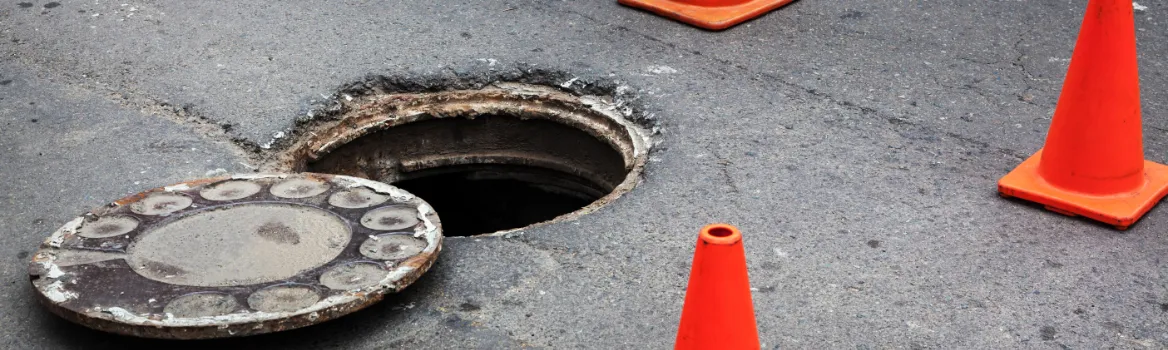
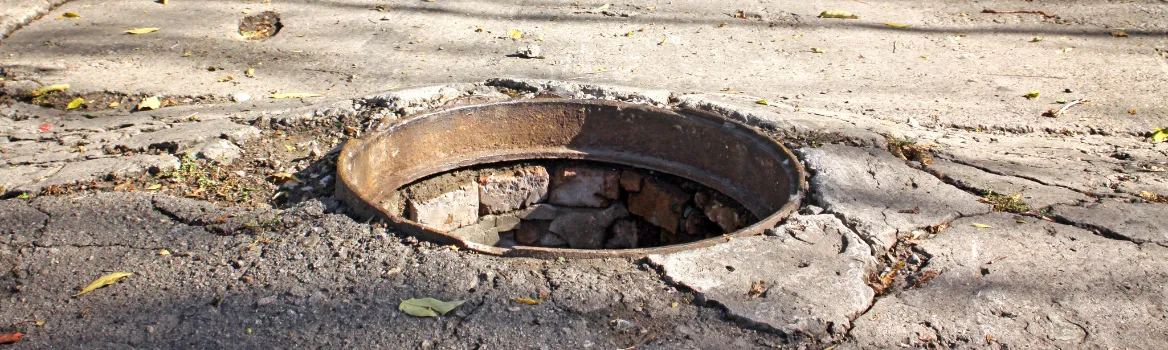
There are approximately 20 million utility holes across the United States. This means that for every 400 feet, a utility hole is present. If not maintained, covered, and inspected, someone could fall to their death. Risks go beyond the fall, as sewage currents can carry an individual for miles.
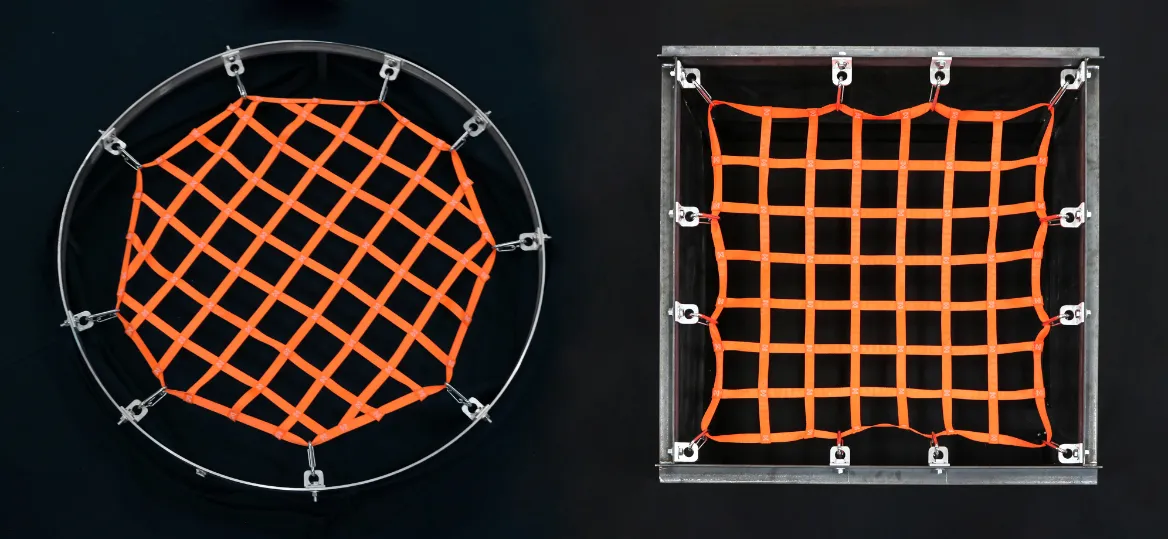
Air quality in maintenance holes can also be dangerous. Levels of carbon monoxide, hydrogen sulfide, and methane can cause asphyxiation. These issues are preventable. Installing hatch nets prevents individuals from falling into an unsafe environment. Also, testing air quality before entering a utility hole prevents suffocation for employees.
Individuals who fall into manholes risk severe injury or death. Yet, they are a crucial tool for everyday life. For example, utility holes access sewage systems, which make plumbing possible.
Maintenance holes provide access to sewage systems. This access allows for inspection, cleaning, and obstruction removal. They also aid in allowing gasses to escape by providing ventilation. Utility holes account for a lot of maintenance and safety of a sewage system. But, it is vital to protect from falls as they can be very dangerous.
Understanding the risks surrounding manholes helps determine protections to put in place. This matter affects pedestrians, workers, and municipalities. It is everyone's responsibility to understand risks and work to prevent accidents.
Pedestrian Safety
Pedestrians risk falling into an open or unsecured manhole. Placed in parks, sidewalks, parking lots, and streets, an unequipped manhole can cause danger in any setting.
Regardless of age, a fall into a maintenance hole is dangerous:
- There is a risk of injury from the fall.
- There is a risk of drowning in sewer sludge.
- There is a risk of suffocation from breathing deadly gasses.
There are many stories in which small children fall into utility holes. Videos show mothers desperate to pull their children out from the depths. The issue with this, such an accident is preventable.
Cities should inspect manholes after heavy rainfall or hurricanes. Covers can shift or deteriorate, so it is essential to ensure protection.
Utility holes can be more fatal the deeper they are and the more sewage waste they have. Depth from the fall can increase injury or likelihood of death. Sewage waste can produce deadly gasses, or lead to drowning.
Understanding the dangers of an open manhole can help pedestrians remain safe. Severe injury or death can occur if a utility hole is deep with a heavy current. Additionally, manholes often contain dangerous gasses that can cause trouble breathing or death.
To remain safe, pedestrians can avoid walking in maintenance holes. The cover can flip and cause a fall for unsuspecting walkers.
Call your local municipality with location information if you find an uncovered utility hole. The city should take appropriate action to ensure no one becomes injured.
Work Safety
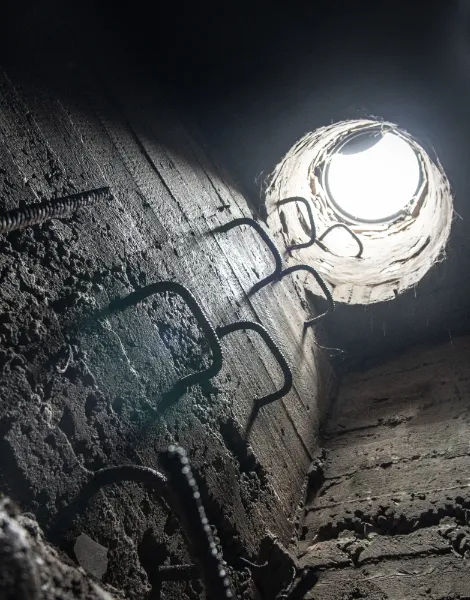
Workers face the same fall, drowning, and suffering risks surrounding utility holes. Yet, they are at times required to enter such dangerous environments. Though this is dangerous, there are ways to take precautions before entering the depth.
Before entering a utility hole, establish all requirements to remain safe on-site. This can include:
- Ensuring uncovered manholes have fall protection
- Test the air quality in the hole
- Be aware of sewage currents
- Be aware of other utility holes close by
These safety measures are an excellent addition to establishing safe working conditions. However, workers must go beyond the knowledge of risks associated with manholes. Act every day to prevent accidents amongst your coworkers.
Taking the time to be cautious in dangerous work settings helps prevent accidents. No maintenance hole should go unprotected. It only takes one loose cover to lose a life.